HealthPartners Vacates Downtown St. Paul Office

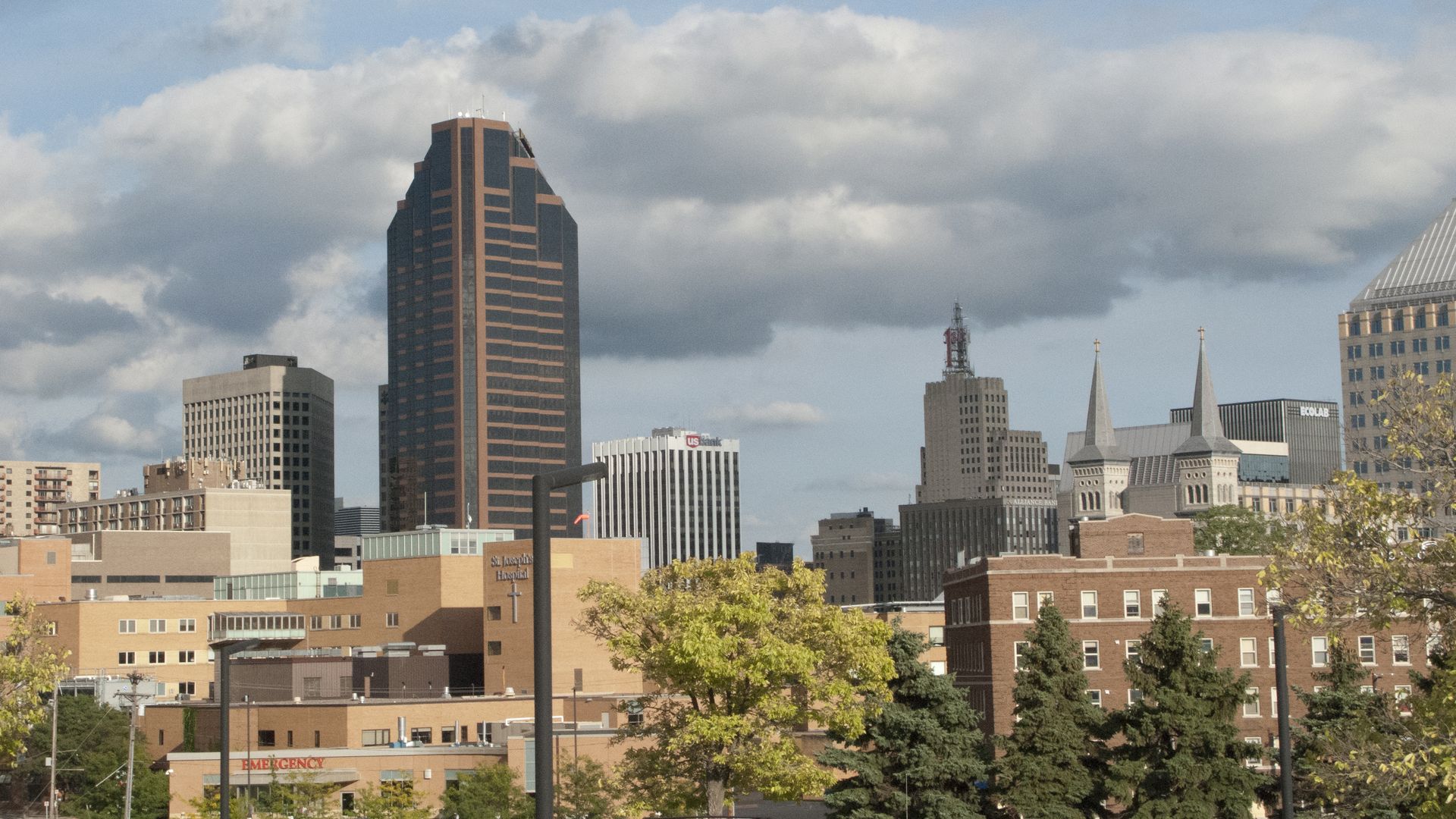
The heart of downtown St. Paul is experiencing a shift, a ripple effect that's sending echoes through the local business community. For years, the skyline has been defined by the presence of major corporations, their office buildings humming with activity, their employees contributing to the vibrant energy of the city center. But as working models evolve and the needs of organizations change, so too does the landscape of our urban core. We're witnessing a recalibration, a re-evaluation of space and purpose, and the effects are being felt across the board.
The allure of a central downtown location has long been undeniable, offering proximity to government offices, cultural institutions, and a diverse array of amenities. However, the rise of remote work and hybrid models has challenged this traditional paradigm, forcing companies to reconsider their real estate footprint and adapt to the evolving preferences of their workforce. The consequences of these shifts are becoming increasingly apparent, as buildings once bustling with activity now face the challenge of adapting to a new reality.
This transformation presents both challenges and opportunities. While the departure of a major tenant can create vacancies and impact the local economy, it also opens doors for new ventures, innovative uses of space, and a reimagining of the downtown core. The key lies in embracing adaptability, fostering collaboration, and finding creative solutions to ensure the continued vitality of St. Paul's urban center.
The future of downtown St. Paul hinges on the ability to adapt to these changes, to attract new businesses, and to create a welcoming and vibrant environment for residents and visitors alike. It requires a collective effort from city leaders, business owners, and community members to shape a vision for the future and to implement strategies that support sustainable growth and prosperity.
The shift in workspace dynamics has prompted many organizations to rethink their physical presence, and the impact is tangible in downtowns across the nation. In this context, the news that HealthPartners vacates downtown St. Paul office becomes particularly significant, signaling a major change in the city's business landscape.
Impact on the St. Paul Economy
Immediate Economic Repercussions
The news of HealthPartners vacates downtown St. Paul office sends ripples throughout the local economy. The departure of a large employer invariably leads to a decrease in foot traffic for nearby businesses, particularly restaurants, coffee shops, and retail stores that rely on the patronage of office workers. This can result in reduced revenue and potential job losses for these establishments.
Furthermore, the vacancy created by HealthPartners' departure can negatively impact the commercial real estate market. An increase in available office space may lead to lower rental rates, potentially affecting the value of other properties in the area and discouraging new investment.
The potential loss of tax revenue for the city of St. Paul is another significant concern. A decrease in the occupancy rate of downtown office buildings can translate into reduced property tax collections, impacting the city's ability to fund essential services and infrastructure projects.
The indirect impacts of this move also need to be considered. For example, businesses that provided services specifically to HealthPartners, such as cleaning companies, security firms, and catering services, may face financial hardship as a result of the company's departure.
While the long-term effects remain to be seen, the initial economic repercussions of HealthPartners leaving its downtown St. Paul office are undeniable and require careful consideration and strategic planning to mitigate their impact.
Long-Term Economic Outlook
While the immediate impact of HealthPartners vacates downtown St. Paul office is undoubtedly negative, the long-term economic outlook depends on how the city and its stakeholders respond to this challenge. If the vacancy is filled promptly with a new tenant or the space is repurposed for a different use, the long-term impact may be minimized.
The city's ability to attract new businesses and investment to downtown St. Paul will be crucial in offsetting the economic loss. This may involve offering incentives to businesses relocating to the area, streamlining the permitting process, and investing in infrastructure improvements to make downtown more attractive to potential tenants.
The diversification of the downtown economy is also essential. Relying too heavily on a single industry or a few large employers makes the area vulnerable to economic shocks when those businesses leave or downsize. Encouraging the growth of a wider range of businesses, including technology companies, startups, and creative industries, can help create a more resilient economy.
The success of efforts to revitalize downtown St. Paul will also depend on the city's ability to create a vibrant and attractive environment for residents and visitors. This includes investing in public spaces, promoting cultural events, and improving safety and security.
Ultimately, the long-term economic outlook for downtown St. Paul following HealthPartners' departure will depend on the city's ability to adapt, innovate, and attract new investment to the area.
Impact on HealthPartners Employees
Employee Relocation and Transition
For HealthPartners employees directly affected by the decision that HealthPartners vacates downtown St. Paul office, the immediate concern revolves around relocation and transition. Depending on the specific arrangements made by the company, employees may be reassigned to other HealthPartners locations, offered remote work options, or, in some cases, face job losses.
The logistics of relocating to a new office can be challenging, particularly for employees who have established routines and connections in the downtown area. Commuting patterns, childcare arrangements, and access to amenities may all need to be adjusted.
The transition to remote work can also present challenges. While some employees may welcome the flexibility and autonomy of working from home, others may struggle with isolation, distractions, and the blurring of work-life boundaries.
HealthPartners has a responsibility to provide adequate support and resources to help its employees navigate these transitions. This may include offering relocation assistance, providing training on remote work best practices, and offering counseling services to address any emotional distress or anxiety associated with the changes.
Clear and transparent communication from HealthPartners is essential to ensure that employees are well-informed about their options and have the information they need to make informed decisions about their future.
Potential Job Losses
While HealthPartners may strive to minimize job losses as a result of vacating its downtown St. Paul office, the reality is that some positions may be eliminated due to redundancies or changes in operational needs. The potential for job losses can create significant anxiety and uncertainty among employees.
HealthPartners should provide affected employees with ample notice of any job losses and offer severance packages that are fair and equitable. The company should also provide assistance with job searching and career counseling to help employees find new employment opportunities.
The impact of job losses can extend beyond the individual employees affected, impacting their families and the broader community. The loss of income can lead to financial hardship, and the loss of a job can affect an individual's self-esteem and mental well-being.
The city of St. Paul and local community organizations can also play a role in supporting displaced HealthPartners employees by providing job training programs, career counseling services, and access to resources that can help them find new employment.
Addressing the potential for job losses requires a collaborative effort from HealthPartners, the city of St. Paul, and community organizations to ensure that affected employees receive the support they need to transition to new opportunities.
Impact on Employee Morale
The news of HealthPartners vacates downtown St. Paul office can significantly impact employee morale, even for those who are not directly affected by relocation or job losses. The uncertainty and disruption caused by such a major change can lead to feelings of anxiety, stress, and disillusionment.
Employees may feel a sense of loss for the downtown location, particularly if they have worked there for a long time and have formed connections with colleagues and the surrounding community.
It is important for HealthPartners to address employee morale proactively by communicating openly and honestly about the reasons for the move and the company's plans for the future. The company should also provide opportunities for employees to voice their concerns and ask questions.
Team-building activities and social events can help employees maintain connections with their colleagues and foster a sense of community, even as the physical location changes.
Addressing employee morale is crucial for maintaining productivity, engagement, and retention. Happy and motivated employees are more likely to be productive and committed to the company's success.
Reasons Behind the Relocation
Changing Work Models
One of the primary drivers behind the decision that HealthPartners vacates downtown St. Paul office is the shift towards changing work models. The rise of remote work and hybrid arrangements has fundamentally altered the way many companies operate, reducing the need for large, centralized office spaces.
The COVID-19 pandemic accelerated this trend, forcing many companies to adopt remote work policies out of necessity. As employees and employers alike have experienced the benefits and challenges of remote work, many have embraced a more flexible approach to work arrangements.
HealthPartners may have found that a significant portion of its workforce prefers to work remotely or in a hybrid model, making a large downtown office space unnecessary.
By reducing its office footprint, HealthPartners can save on real estate costs and potentially invest those savings in other areas of the business, such as technology, innovation, or employee benefits.
The adoption of changing work models is not unique to HealthPartners. Many other companies are also re-evaluating their real estate needs and downsizing their office spaces as they adapt to the evolving demands of the modern workforce.
Cost-Cutting Measures
In addition to changing work models, cost-cutting measures may have played a role in the decision to have HealthPartners vacates downtown St. Paul office. Maintaining a large office space in a downtown location can be expensive, with costs associated with rent, utilities, maintenance, and other operational expenses.
HealthPartners may have identified the downtown office space as an area where it could significantly reduce costs without compromising its ability to serve its members and customers.
Cost-cutting measures are a common strategy for businesses facing financial challenges or seeking to improve their profitability. By reducing expenses, companies can increase their bottom line and invest in growth opportunities.
The decision to vacate the downtown office may have been part of a broader cost-cutting initiative across the organization.
While cost-cutting measures can be unpopular, they are often necessary for businesses to remain competitive and sustainable in the long run.
Strategic Realignment
The decision that HealthPartners vacates downtown St. Paul office could also be part of a broader strategic realignment within the organization. HealthPartners may be re-evaluating its business priorities and focusing its resources on areas that are critical to its long-term success.
This strategic realignment may involve consolidating operations, streamlining processes, and investing in new technologies and services.
The downtown office space may no longer align with HealthPartners' strategic vision for the future.
By vacating the downtown office, HealthPartners may be freeing up resources to invest in other areas of its business, such as expanding its network of clinics, developing new healthcare services, or improving its customer service capabilities.
Strategic realignment is a common process for businesses that are seeking to adapt to changing market conditions and remain competitive.
Potential Future Uses of the Vacated Space
Office Space for Another Company
The most straightforward potential use of the space now that HealthPartners vacates downtown St. Paul office is for another company to move in and occupy it as office space. Given the size and location of the building, it is likely to attract interest from other large organizations seeking a downtown presence.
The city of St. Paul may actively market the space to potential tenants and offer incentives to encourage businesses to relocate to the area.
The success of attracting a new tenant will depend on a variety of factors, including the overall health of the local economy, the availability of other office spaces in the area, and the attractiveness of the building itself.
The building may need to be renovated or updated to meet the needs of a new tenant.
If a new company moves in and occupies the space, the economic impact of HealthPartners' departure may be mitigated.
Residential Development
Another possibility is that the vacated space could be converted into residential development. This could involve converting the existing office building into apartments or condominiums, or demolishing the building and constructing a new residential building on the site.
The demand for downtown housing in St. Paul is strong, and a residential development could help to revitalize the area and attract new residents to the city center.
Converting an office building into residential units can be a complex and expensive undertaking, but it can also be a viable option for underutilized office spaces.
A residential development could provide a boost to the local economy by increasing foot traffic for nearby businesses and generating property tax revenue.
The feasibility of a residential development will depend on factors such as zoning regulations, construction costs, and the availability of financing.
Mixed-Use Development
A third possibility is that the vacated space could be redeveloped into a mixed-use development, combining office space, residential units, retail stores, and other amenities.
Mixed-use developments are becoming increasingly popular as they can create vibrant and walkable urban environments that appeal to a wide range of residents and visitors.
A mixed-use development could help to diversify the downtown economy and attract new businesses and investment to the area.
Such a development could offer a combination of office space for businesses, apartments or condominiums for residents, retail stores and restaurants for shoppers, and other amenities such as parks, plazas, and cultural attractions.
The success of a mixed-use development will depend on careful planning, design, and execution.
Government and Community Response
City of St. Paul Initiatives
The city of St. Paul will likely play a crucial role in responding to the impact of HealthPartners vacates downtown St. Paul office. The city government may implement initiatives to attract new businesses to the area, support displaced workers, and revitalize the downtown economy.
These initiatives could include offering tax incentives to businesses that relocate to downtown St. Paul, streamlining the permitting process for new developments, and investing in infrastructure improvements to make the area more attractive to potential tenants and residents.
The city may also partner with local community organizations to provide job training programs, career counseling services, and other resources to help displaced HealthPartners employees find new employment opportunities.
The city government may also work to promote downtown St. Paul as a vibrant and attractive destination for residents and visitors by investing in public spaces, supporting cultural events, and improving safety and security.
The success of these initiatives will depend on effective collaboration between the city government, local businesses, community organizations, and residents.
Community Support Programs
Local community organizations can also play a vital role in supporting individuals and families affected by the decision that HealthPartners vacates downtown St. Paul office. These organizations can provide a range of services, including job training, career counseling, financial assistance, and mental health support.
Community organizations can also help to connect displaced workers with potential employers and provide them with the skills and resources they need to succeed in the job market.
These organizations can also offer support to families who are struggling to make ends meet due to job losses or reduced income.
Community organizations can also provide mental health services to help individuals cope with the stress and anxiety associated with job loss and economic uncertainty.
The availability and accessibility of community support programs are crucial for ensuring that individuals and families affected by HealthPartners' departure receive the assistance they need to navigate these challenging times.
Public-Private Partnerships
Addressing the impact of HealthPartners vacates downtown St. Paul office will likely require a collaborative effort involving both the public and private sectors. Public-private partnerships can be an effective way to leverage the resources and expertise of both sectors to achieve common goals.
For example, the city of St. Paul could partner with private developers to redevelop the vacated HealthPartners office space into a mixed-use development that includes office space, residential units, retail stores, and other amenities.
The city could also partner with local businesses to provide job training programs and career counseling services to displaced HealthPartners employees.
Public-private partnerships can also be used to finance infrastructure improvements, such as upgrades to transportation systems and public spaces, that can help to make downtown St. Paul more attractive to businesses and residents.
Successful public-private partnerships require clear goals, mutual trust, and a willingness to share risks and rewards.
Long-Term Implications for Downtown St. Paul
Reimagining the Urban Core
The decision that HealthPartners vacates downtown St. Paul office presents an opportunity to reimagine the urban core and create a more vibrant, resilient, and sustainable downtown environment. This may involve rethinking the mix of uses in the downtown area, creating more public spaces, and improving transportation options.
The city of St. Paul can take this opportunity to diversify the downtown economy by attracting new businesses and industries, such as technology companies, startups, and creative industries.
The city can also invest in creating more public spaces, such as parks, plazas, and pedestrian walkways, that make downtown St. Paul a more attractive place to live, work, and visit.
Improving transportation options, such as public transit, bike lanes, and pedestrian infrastructure, can also help to make downtown St. Paul more accessible and convenient.
Reimagining the urban core requires a long-term vision and a commitment to investing in the future of downtown St. Paul.
Diversifying the Economy
As mentioned previously, diversifying the downtown economy is crucial for ensuring its long-term stability and resilience. Relying too heavily on a single industry or a few large employers makes the area vulnerable to economic shocks when those businesses leave or downsize.
The city of St. Paul can actively recruit new businesses and industries to diversify the downtown economy, focusing on sectors with strong growth potential, such as technology, healthcare, and creative industries.
The city can also support the growth of existing businesses by providing access to capital, mentorship programs, and other resources.
Diversifying the economy can help to create a more resilient and sustainable downtown St. Paul that is less vulnerable to economic downturns.
A diverse economy can also attract a wider range of residents and visitors, making downtown St. Paul a more vibrant and exciting place to be.
Building a Resilient Future
Ultimately, the long-term success of downtown St. Paul depends on building a resilient future that is able to withstand economic shocks and adapt to changing conditions. This requires a proactive approach to planning, investment, and community engagement.
The city of St. Paul needs to develop a long-term vision for downtown that is based on sound economic principles and reflects the needs and aspirations of the community.
The city needs to invest in infrastructure, education, and other resources that will support the long-term growth and prosperity of downtown St. Paul.
The city needs to engage with residents, businesses, and community organizations to create a shared vision for the future and to ensure that everyone has a voice in shaping the future of downtown St. Paul.
Building a resilient future requires a commitment to collaboration, innovation, and continuous improvement.
Conclusion
The news of HealthPartners vacates downtown St. Paul office marks a significant moment for the city. While the immediate impacts are undeniable, the long-term consequences will depend on the collective actions of city leaders, community members, and businesses. The opportunity to reimagine the urban core, diversify the economy, and build a resilient future is now upon us. Adaptability, innovation, and collaboration will be key to ensuring that downtown St. Paul continues to thrive for years to come.
This change underscores the evolving nature of urban landscapes and the need for cities to proactively address challenges and embrace opportunities for growth and revitalization. The future of downtown St. Paul is not predetermined, but rather shaped by the choices and investments made today. By working together, we can ensure that downtown St. Paul remains a vibrant and dynamic center of commerce, culture, and community.
Interested in reading more articles about the Twin Cities business landscape and emerging trends? Be sure to check out our other articles for in-depth analysis and insights.
Thank you for reading.
- HealthPartners is leaving its downtown St. Paul office